

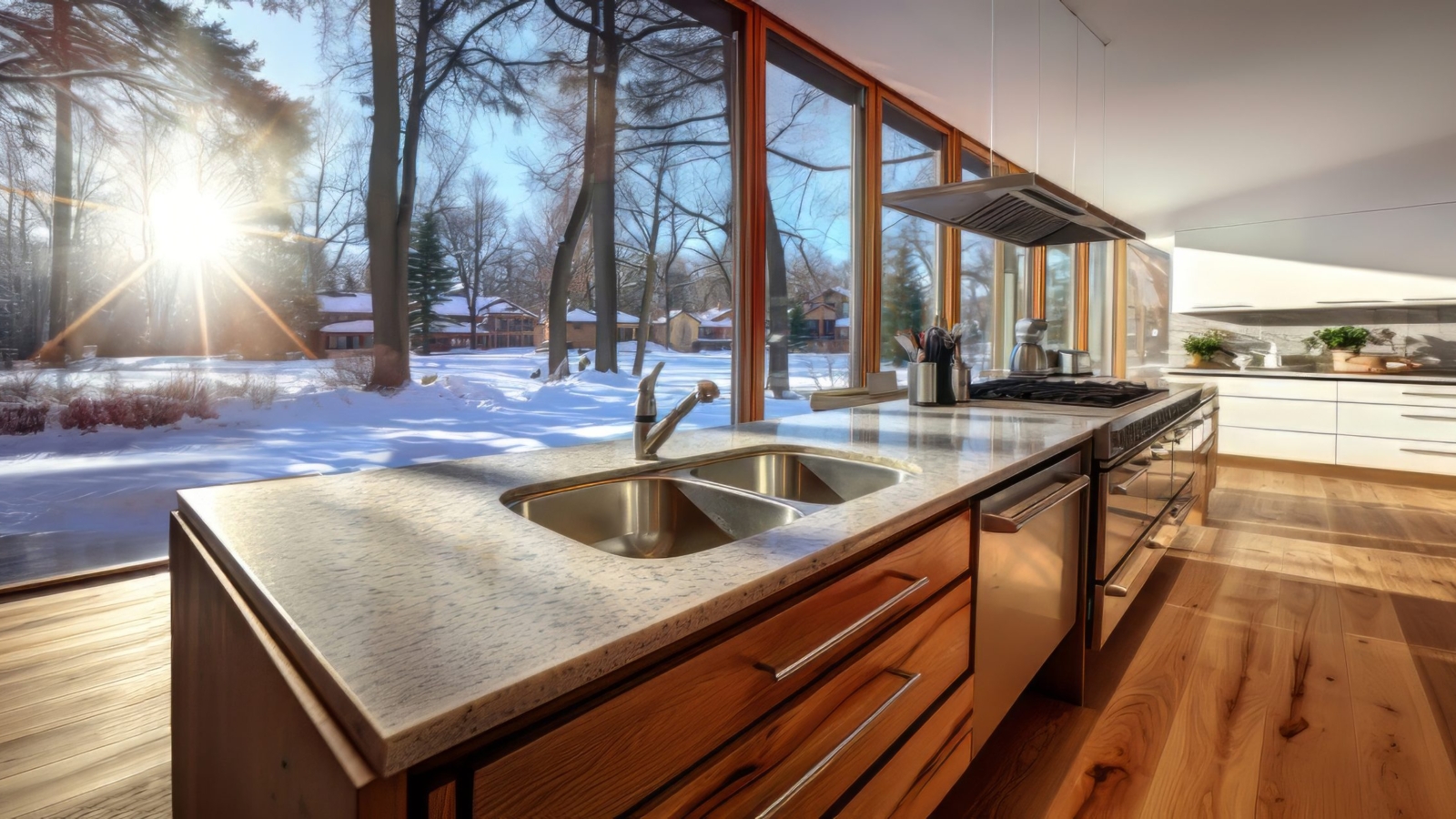
The kitchen has come a long way from being a room reserved for cooking. Today, it is a place where families gather, friends connect, work gets done, and everyday routines unfold. As lifestyles change, homeowners are rethinking kitchen design to create spaces that feel more functional, comfortable, and personal.
Whether you’re planning a complete renovation or simply looking for fresh ideas, the right updates can transform the way your kitchen looks and works. From clever storage solutions to sustainable materials and statement lighting, here are ten trends inspiring modern kitchen remodeling.
1. Smarter Storage for a Clutter-Free Kitchen
A beautiful kitchen starts with a space that works for you. Instead of relying on standard cabinets and crowded countertops, modern designs focus on storage tailored to everyday habits.
Pull-out pantry shelves, deep drawers, hidden spice racks, and built-in organizers make it easier to keep everything within reach. Corner cabinets can be fitted with rotating shelves, while vertical dividers help organize baking trays and cutting boards.
The goal is to make better use of every available inch without sacrificing style. When storage is thoughtfully planned, even a compact kitchen can feel more spacious and organized.
2. Two-Tone Cabinets That Add Character
Uniform cabinetry is giving way to more expressive combinations. Two-tone kitchens introduce contrast by pairing different colors, finishes, or materials across upper and lower cabinets or between cabinetry and the kitchen island.
Natural wood paired with white creates a bright, balanced look, while navy and soft gray offer a more contemporary feel. Deeper shades can anchor the lower cabinets, while lighter upper cabinets help maintain an open atmosphere.
This approach adds visual depth without overwhelming the room. It also gives homeowners an easy way to introduce personality while keeping the overall design cohesive.
3. Sustainable Materials and Energy-Efficient Upgrades
Eco-conscious design is becoming an important part of home renovation. Many homeowners are exploring responsibly sourced wood, recycled surfaces, durable materials, and finishes formulated to release fewer volatile organic compounds (VOCs).
Energy-efficient appliances and LED lighting can also help reduce household energy consumption. Choosing long-lasting cabinetry and repairable fixtures may further limit the need for frequent replacements.
Sustainability doesn’t have to mean compromising on appearance. Recycled glass countertops, natural wood textures, and thoughtfully selected finishes can create a kitchen that feels both modern and timeless.
The best approach is to look beyond a product’s appearance and consider its durability, maintenance requirements, and environmental impact over its lifetime.
4. Smart Technology for Everyday Convenience
Technology is becoming a more natural part of kitchen design. Connected refrigerators, programmable ovens, touchless faucets, and smart lighting systems can make daily tasks easier and help homeowners manage their kitchens more efficiently.
Some appliances offer remote controls, maintenance alerts, or features that help track ingredients and plan meals. Voice-activated systems can also make it easier to manage compatible devices while cooking.
The key is to choose technology that solves real problems rather than adding complexity. A few well-selected upgrades can deliver more value than filling the kitchen with features that rarely get used.
5. Kitchen Islands That Do More
The kitchen island has evolved into a multifunctional centerpiece. Beyond providing extra preparation space, it can serve as a breakfast bar, homework station, entertaining area, or additional storage zone.
Larger islands may incorporate drawers, shelves, seating, and dedicated work surfaces. Waterfall countertops, which extend down the sides of an island, create a bold architectural feature, while contrasting cabinetry helps the island stand out.
Even smaller kitchens can benefit from compact islands or movable workstations, provided there is enough room to move comfortably around them.
When planning an island, consider how it will support your routine. The best design combines useful workspace with practical storage and enough clearance for people to move freely.
6. Open Shelving Meets Hidden Storage
Open shelving can make a kitchen feel lighter and more personal, offering space to display ceramics, glassware, cookbooks, and decorative objects. However, replacing every cabinet with open shelves isn’t practical for everyone.
A balanced approach combines a few visible shelves with closed cabinetry for less attractive or frequently used items. This creates visual interest while keeping everyday clutter under control.
Wooden shelves can introduce warmth, while metal brackets or stone finishes create a more contemporary look. Carefully positioned lighting can further highlight the display area.
The secret is moderation. Open shelving works best when it complements the overall layout and leaves enough concealed storage to keep the kitchen functional.
7. Warm Colors and Natural Finishes
Cool grays and stark white interiors are making room for warmer, more layered palettes. Earthy shades such as beige, terracotta, muted green, and warm brown can make a kitchen feel inviting without losing its modern character.
Natural wood cabinetry, textured stone, and understated finishes add depth and help soften sleek architectural lines. These materials can work particularly well when paired with neutral walls and carefully chosen hardware.
Warm palettes also offer flexibility. A kitchen doesn’t need to be completely redesigned to embrace the trend; changing cabinet colors, adding wood accents, or introducing a few earthy accessories can create a noticeable difference.
The result is a space that feels welcoming and personal rather than overly polished or temporary.
8. Statement Lighting That Sets the Mood
Lighting has become an essential design element rather than a purely practical feature. The right combination can make a kitchen easier to work in while highlighting its most attractive details.
Oversized pendant lights above an island can act as focal points, while under-cabinet LED strips illuminate countertops and reduce shadows. Recessed ceiling lights provide general illumination, and decorative fixtures add atmosphere.
Layering different types of lighting allows the kitchen to adapt to different activities. Bright task lighting supports food preparation, while softer illumination creates a more relaxed setting for dining or entertaining.
Whenever possible, plan lighting early in the remodeling process. This makes it easier to coordinate electrical connections, cabinetry, and ceiling features.
9. Minimalist Design With a Personal Touch
Clean lines and uncluttered surfaces remain popular, but modern minimalism is becoming less rigid. Rather than creating a completely uniform space, homeowners are introducing distinctive details that make the kitchen feel individual.
A patterned backsplash, textured cabinet fronts, unusual hardware, or a mix of stone and wood can add character without making the room feel busy.
Concealed appliances and streamlined storage maintain a tidy appearance, while carefully selected decorative elements prevent the design from feeling impersonal.
The idea is to keep what works, remove unnecessary visual clutter, and make room for a few details that reflect your taste.
10. Multifunctional Spaces for Modern Living
As homes take on more roles, kitchens are adapting to support a wider range of activities. A well-planned layout can accommodate meal preparation, remote work, studying, casual dining, and social gatherings without making the space feel crowded.
A small built-in desk can provide a convenient place for a laptop or household paperwork. A dedicated coffee station keeps morning essentials organized, while a breakfast nook can double as a reading corner or homework area.
Flexible seating, integrated charging points, and adaptable storage can make these zones even more useful.
The most effective multifunctional kitchens are designed around real routines. Rather than trying to fit every possible feature into one room, prioritize the activities that matter most to your household.
Bringing the Trends Together
Kitchen remodeling isn’t about following every new design idea. It’s about understanding how your home works today and identifying improvements that will make it more comfortable, attractive, and practical for the future.
Smart storage can reduce clutter, sustainable materials can support more responsible choices, and modern appliances can simplify everyday tasks. Warm finishes, layered lighting, and personal details can then bring the entire design together.
Before starting a renovation, consider your available space, budget, maintenance preferences, and long-term plans. Some updates, such as new lighting or hardware, can refresh a kitchen without a major investment. Others, including structural changes or custom cabinetry, may require more extensive planning.
The best kitchen is not simply the one that follows the latest trends. It’s the one that makes everyday living feel easier, more comfortable, and more enjoyable. By choosing updates that suit your lifestyle, you can create a kitchen that looks beautiful today and continues to serve your needs for years to come.