

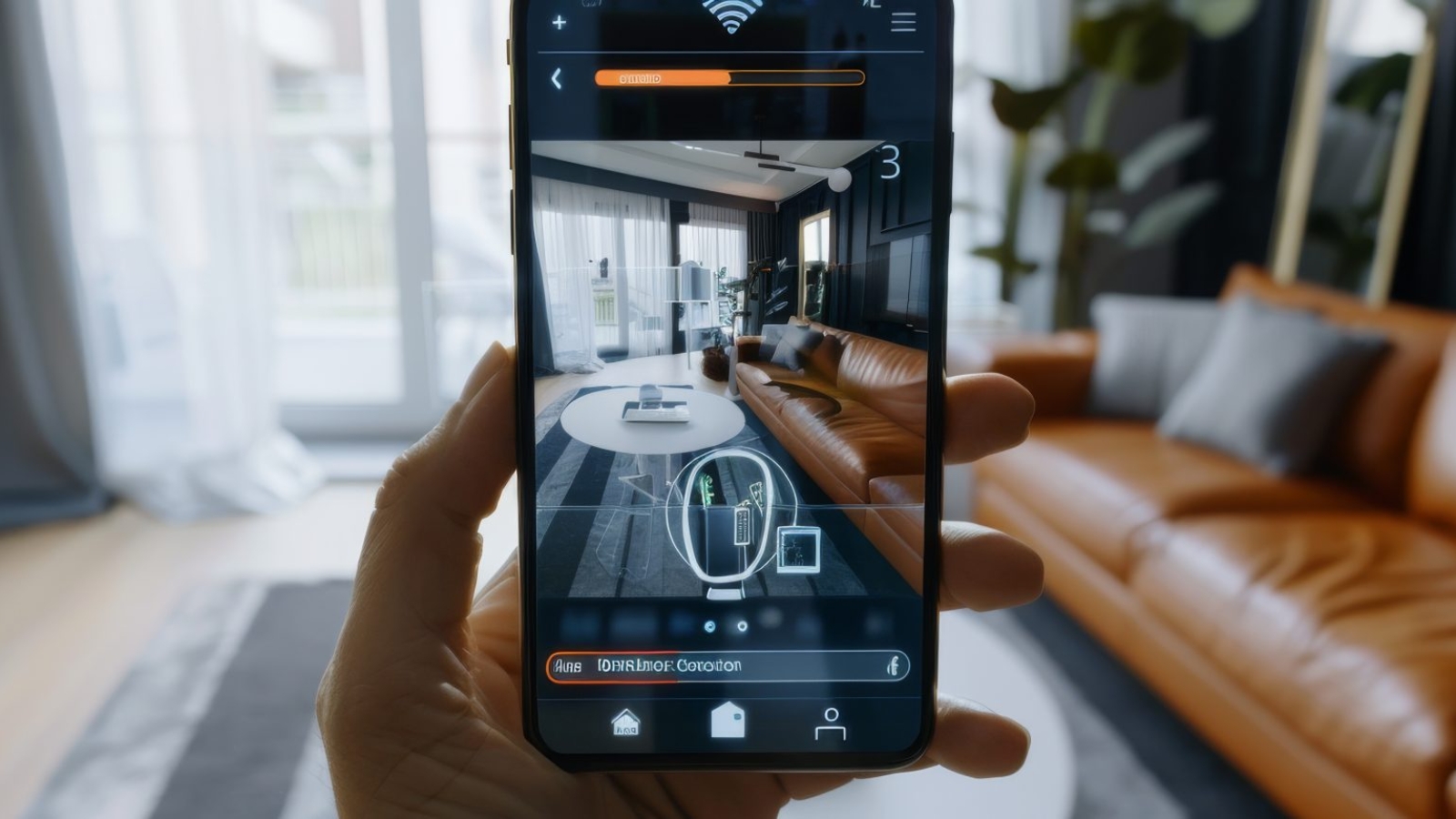
The Technology That Makes a Home Feel Effortless
Have you ever wondered what happens behind the scenes when a single touch dims the lights, closes the curtains, and adjusts the temperature? What looks like a simple action is often the result of several technologies working together.
Home automation connects devices, sensors, controllers, and software to help manage everyday functions throughout a home. Instead of operating each system separately, homeowners across the United States can use coordinated controls to create routines, adjust their surroundings, and manage selected features from a central interface.
The real magic is not that a home contains smart devices. It is that those devices can communicate, respond to instructions, and work together in ways that make daily life more comfortable and convenient.
How Does Home Automation Work?
At its core, home automation relies on three essential elements: devices that perform specific tasks, a control system that coordinates them, and an interface through which people manage their settings.
Depending on the installation, these elements may communicate through wired connections, wireless networks, or a combination of both. Sensors can provide information about conditions such as movement, temperature, or light levels, while controllers process commands and trigger the appropriate actions.
For example, a homeowner might create a morning routine that gradually opens the curtains, turns on selected lights, and adjusts the climate settings. Once the routine is activated, the system coordinates the configured devices without requiring each action to be initiated separately.
Some setups follow straightforward schedules and predefined rules. Others include more advanced features, such as remote access, voice control, or AI-assisted personalization. The capabilities available depend on the equipment, compatibility, and configuration.
The Main Components of a Smart Home
Although every property is different, most home automation systems in the United States combine several core technologies.
Smart devices and equipment carry out the actions that make automation possible. These may include lighting fixtures, motorized curtains, thermostats, HVAC controls, entertainment equipment, smart locks, and security devices.
Sensors and triggers provide information that can initiate an automated action. Depending on the setup, a sensor may detect movement, measure temperature, or respond to changing light conditions.
Controllers and automation platforms coordinate compatible devices and manage the rules that determine how they operate. This is what allows separate functions to become part of a unified experience.
Control interfaces give homeowners access to their systems. These may include wall-mounted touch panels, mobile applications, physical switches, or compatible voice assistants.
When these elements are planned together, the result can be a more intuitive living environment that responds to individual preferences while keeping everyday controls accessible.
From a Single Command to a Complete Routine
One of the most practical benefits of home automation is the ability to combine several actions into a single scene or routine.
Imagine preparing your living room for an evening at home. Rather than adjusting every device separately, you activate a customized setting. The lights dim, the curtains close, and compatible entertainment equipment switches to the desired mode.
A different routine might prepare the property for departure by switching off selected lights, adjusting the HVAC system, and activating designated security functions.
These scenes are generally configured in advance, so the system follows the instructions assigned to each routine. More advanced setups may also use sensors, schedules, or supported intelligent features to trigger actions automatically.
The result is less repetitive interaction with individual devices and more control over how the home feels throughout the day.
Why Centralized Control Makes a Difference
As the number of connected devices grows, managing them through separate applications can quickly become inconvenient. Centralized control brings supported functions together, helping homeowners manage their surroundings without constantly switching between different interfaces.
A central touchscreen may provide access to lighting, climate settings, curtains, entertainment, and other integrated systems. A mobile application can offer additional convenience by allowing selected functions to be controlled remotely, while voice commands may provide a hands-free option for compatible devices.
The right interface depends on the household’s needs and the complexity of the installation. In a larger American home, for example, residents may benefit from dedicated control points in different rooms, combined with a unified platform for managing the entire property.
Good design matters just as much as technical capability. Controls should be easy to understand, commonly used functions should be accessible, and manual adjustments should remain available when needed.
Wired and Wireless Automation: What’s the Difference?
Home automation systems can use different communication methods, and choosing the right approach is an important part of planning.
Wired systems use physical connections to link compatible devices and controllers. Depending on the technology, they may be particularly suitable for new construction, major renovations, or properties where automation infrastructure can be incorporated during construction.
Wireless systems communicate using supported wireless technologies. They can offer flexibility when adding automation to an existing American home, although performance depends on network conditions, device compatibility, and the requirements of the installation.
Hybrid systems combine wired and wireless technologies to accommodate different devices and property conditions.
There is no single solution that works best for every home in the United States. The decision should take into account the building’s structure, the functions being automated, reliability requirements, future expansion, and available infrastructure.
Planning these details early can help avoid compatibility problems and unnecessary changes later.
The Role of AI in Modern Home Automation
Artificial intelligence is introducing new ways for smart homes to respond to household routines and environmental conditions.
While traditional automation typically follows predefined rules, certain AI-enabled systems can analyze available information, identify patterns, and help personalize selected functions. Depending on the product, this may support more adaptive climate management, intelligent security alerts, or recommendations based on established preferences.
However, AI is not required for every automation task. A scheduled lighting scene or a motorized curtain controlled by a wall panel can be useful without any artificial intelligence.
The most effective approach is to choose technology according to the needs of the property. AI can add valuable capabilities, but compatibility, reliable communication, thoughtful configuration, and straightforward control remain essential to a successful smart home in the United States.
Home Automation for American Homes and Larger Properties
Automation can be particularly useful in larger American residences, where different rooms and systems may have distinct requirements.
A property might include multiple floors, several living areas, outdoor lighting, entertainment spaces, and extensive HVAC needs. Without a coordinated approach, managing these functions individually can become complicated.
An integrated system can bring supported technologies together while allowing different areas to operate according to their own settings. For instance, bedroom lighting can follow a separate schedule from shared living spaces, while outdoor lighting and selected security features can be managed through designated routines.
The installation should reflect how residents actually use the property. Planning room by room, identifying the most important functions, and considering future needs can help create a system that is both practical and adaptable.
Smart Home Technology and the Moorgen Ecosystem
Different automation platforms offer different approaches to design, control, and integration. Some place particular emphasis on user interfaces and interior aesthetics, while others focus on connectivity, centralized management, or specific automation functions.
Moorgen is one technology ecosystem associated with smart home control and integrated residential automation. Depending on the selected products and configuration, such systems can support coordinated control of functions such as lighting, curtains, and other connected features.
For homeowners in the United States considering this approach, it is important to discuss the property’s requirements, product compatibility, installation scope, local availability, and available after-sales support before choosing a configuration.
The objective is to ensure that the technology fits the home rather than requiring the homeowner to work around the system.
What to Consider Before Installing Home Automation
A successful installation begins with a clear understanding of what you want your home to do. Before selecting devices, consider the following:
- Everyday priorities: Identify which tasks you want to simplify, whether that means controlling lights, managing indoor comfort, coordinating entertainment, or improving access to security features.
- Compatibility: Check whether the selected devices and platforms can communicate and operate together as intended.
- Control preferences: Decide whether you prefer wall-mounted panels, mobile applications, voice commands, physical switches, or a combination.
- Infrastructure: Assess network coverage, wiring requirements, power access, and any changes needed to accommodate the system.
- Privacy and security: Consider account protection, user permissions, software updates, and the security of remote access.
- Future flexibility: Choose an approach that can accommodate additional devices or changing needs where possible.
- Local support: Confirm that qualified installers, replacement parts, technical assistance, and warranty service are available in your area of the United States.
Professional planning can help bring these considerations together, particularly in complex installations or properties with multiple integrated systems.
A Connected Home Begins With a Thoughtful Plan
Home automation works by connecting devices, control systems, and interfaces so that everyday functions can be managed individually or coordinated through shared routines. From a simple lighting scene to a more comprehensive system covering climate, curtains, entertainment, and security, the possibilities depend on the technology selected and how well it is integrated.
Homeowners in the United States can explore connected-living solutions through qualified local providers, with a focus on the property’s layout, regional requirements, product availability, and individual needs.
Ultimately, the best automation system is not necessarily the most complicated one. It is the one that works reliably, makes sense to the people using it, and supports the way they want to live.
Behind every effortless smart-home experience is a thoughtful combination of technology, integration, and design.
In Case You Missed It!
Home automation brings together smart devices, sensors, controllers, and user interfaces to make everyday functions easier to manage. Centralized control and customized routines can simplify daily tasks, while AI-enabled features may introduce additional personalization.
Before getting started, focus on your priorities, choose compatible technologies, confirm local support in the United States, and plan for reliability and future flexibility. When the individual components work well together, smart living becomes less about managing devices and more about enjoying your home.