

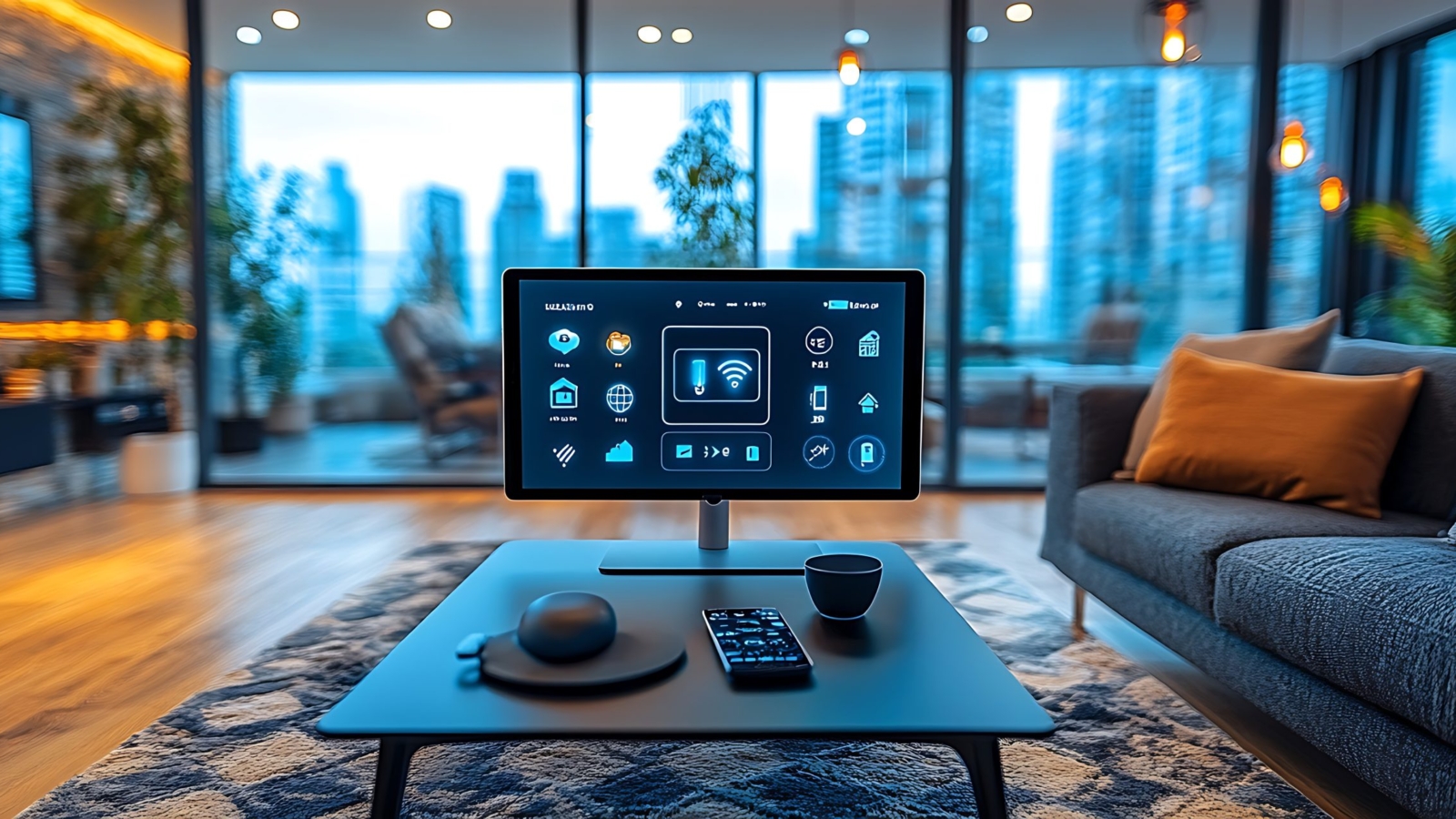
Modern homes are becoming more than places to relax and recharge. They are evolving into intelligent environments that adapt to daily routines, respond to changing needs, and make everyday living more convenient. In 2026, home automation is moving beyond individual smart devices toward integrated ecosystems where different technologies work together seamlessly.
Instead of managing separate applications, switches, and control systems, homeowners are increasingly looking for a more unified experience. Lighting, climate control, motorized curtains, entertainment, and security can all become part of a connected environment, allowing different features to work in harmony.
This shift is especially valuable in larger homes and villas, where multiple rooms, devices, and systems can make everyday management more complicated. A well-planned automation setup brings these elements together, helping create a living space that feels more intuitive, comfortable, and responsive.
From Individual Devices to Integrated Ecosystems
One of the most important directions in smart living is the move toward connected home environments. A collection of smart devices may offer convenience, but the real potential emerges when those devices are designed to work together.
Imagine waking up as your curtains gradually open, the lights adjust to the morning atmosphere, and the temperature settles into a comfortable setting. Later, a single command could prepare your living room for a movie night by adjusting the lighting, closing the curtains, and activating your entertainment system.
These experiences illustrate how automation can simplify everyday routines while creating a more consistent atmosphere throughout the home. Rather than controlling each feature separately, homeowners can use centralized interfaces, customized scenes, schedules, and compatible voice or mobile controls to manage multiple functions together.
For villas and larger properties, this integrated approach can also make it easier to coordinate different areas of the home without sacrificing individual preferences or control.
AI-Powered Automation That Adapts to Everyday Life
Artificial intelligence is creating new possibilities for personalized home experiences. As smart technologies become more capable of interpreting routines and responding to user preferences, automation is moving beyond simple commands and fixed schedules.
Depending on the system, AI-enabled features may help optimize lighting, manage climate settings, identify patterns in household activity, or offer suggestions that improve comfort and efficiency. The aim is to make technology feel less like another task to manage and more like a natural part of everyday life.
For example, a smart climate system may use available sensor data and learned preferences to help maintain comfortable indoor conditions. Intelligent lighting can support different activities throughout the day, while connected assistants can make it easier to access selected home functions through voice commands.
However, these capabilities vary by product and configuration. Effective AI-powered automation still depends on compatible devices, suitable settings, reliable connectivity, and appropriate privacy controls.
Intelligent Lighting and Climate Control
Lighting and temperature have a significant influence on how a home feels. Smart automation allows these elements to respond to schedules, occupancy, personal preferences, and other available inputs.
Automated lighting can create distinct settings for working, relaxing, entertaining, or preparing for sleep. Dimming, color-temperature adjustments, and scheduled scenes can help shape the atmosphere without requiring constant manual changes.
Climate automation offers a similar level of flexibility. Depending on the equipment installed, homeowners may be able to adjust air conditioning, heating, and ventilation settings through a central panel or mobile application. Sensors and scheduling features can help manage indoor comfort while avoiding unnecessary operation when certain areas are not in use.
When lighting and climate systems are integrated with other home technologies, they can become part of coordinated routines. This creates a more adaptable environment while potentially helping households manage energy consumption more thoughtfully.
Smarter Security and Greater Peace of Mind
Home security continues to be an important part of the smart living experience. Connected cameras, smart locks, motion sensors, alarms, and selected access-control features can provide homeowners with more convenient ways to monitor and manage their properties.
Depending on the system, residents may be able to receive alerts, check connected cameras remotely, review access activity, or control selected security functions through a mobile device. Automation can also coordinate security with other features, such as adjusting lights when a particular scene is activated.
For example, a departure routine might switch off selected lights, adjust the climate settings, and activate designated security functions. When returning home, a different routine could restore preferred settings.
Convenience should always be balanced with security. Strong passwords, appropriate access permissions, software updates, and carefully configured remote access are essential considerations when connecting important household systems.
The Rise of Centralized Control
As the number of connected devices grows, managing them becomes an important part of the overall experience. This is where centralized control panels and unified interfaces can make a meaningful difference.
A dedicated touchscreen, mobile application, or compatible voice assistant can provide access to multiple home functions from a convenient location. Rather than switching between several disconnected controls, residents can manage supported systems through a more consistent interface.
Centralized control also makes customized scenes easier to use. A single command might prepare the home for a quiet evening, welcome guests, or activate a bedtime routine by coordinating selected lighting, curtains, entertainment, and climate settings.
The best solution depends on the household’s needs, the size of the property, and the technologies involved. A thoughtfully designed interface should make everyday tasks simpler, not introduce another layer of complexity.
Motorized Curtains and Connected Entertainment
Small details can have a surprisingly large impact on everyday comfort. Motorized curtains and blinds, for example, can be scheduled or controlled alongside lighting and climate systems. They may open in the morning, close during selected hours, or respond to programmed scenes.
These functions can also complement entertainment systems. With a suitable configuration, homeowners can create a dedicated movie setting that adjusts the room’s lighting, closes the curtains, and prepares compatible audio and video equipment.
The benefit is not simply automation for its own sake. It is the ability to coordinate different parts of a living environment around the activities that matter most, whether that means relaxing after work, hosting friends, or enjoying a quiet weekend at home.
Energy Awareness and More Efficient Living
Energy efficiency is another important consideration in the development of smart homes. Connected systems can give homeowners greater visibility into how selected devices operate and provide tools for adjusting schedules, settings, and usage patterns.
Automated lighting can reduce unnecessary operation when configured with suitable sensors or schedules. Smart climate controls can help maintain preferred temperatures without relying exclusively on constant manual adjustments. Motorized shading may also help manage sunlight and indoor heat, depending on the building design and local conditions.
Although automation does not automatically guarantee lower energy bills, it can make it easier to identify opportunities for more efficient use. The results depend on the equipment, installation, household habits, and the way the system is configured.
A practical approach focuses on combining useful features with clear objectives, rather than adding technology that offers little everyday value.
Designing Smart Homes for Different Lifestyles
There is no single blueprint for an intelligent home. The right combination of technologies depends on how people use their spaces, the layout of the property, their preferences, and their plans for the future.
A family may prioritize convenient lighting, climate control, security, and entertainment. Frequent travelers may place greater emphasis on remote access and selected monitoring features. Villa owners may need a more comprehensive approach that coordinates multiple floors, outdoor areas, guest spaces, and shared facilities.
Planning ahead is important. Device compatibility, network reliability, privacy, ease of use, and future expansion should all be considered before selecting individual products. In some cases, a wired solution may be appropriate; in others, wireless technologies or a combination of both may better suit the property.
A flexible design can help homeowners introduce new capabilities over time without unnecessarily complicating the existing setup.
Bringing the Smart Home Experience Together
The next chapter of home automation is not defined by the number of devices installed. It is defined by how well those devices work together to support everyday life.
A connected home can bring lighting, climate control, motorized curtains, entertainment, security, touch panels, mobile applications, and voice commands into a coordinated environment. When these elements are planned around real household needs, the result can feel more natural, convenient, and easier to manage.
This integrated philosophy is central to modern home automation solutions, including systems offered by ALAYOUBI. By considering how different technologies can complement one another, homeowners can explore a setup that reflects their routines, property layout, and expectations for comfort and control.
Ultimately, the goal is simple: less time managing technology and more time enjoying the space you call home.
In Case You Missed It!
Smart home technology continues to evolve, creating new opportunities to make living spaces more connected, responsive, and comfortable. From AI-assisted features and intelligent lighting to centralized control and integrated security, the most valuable innovations are those that solve everyday challenges.
As you explore the possibilities for 2026 and beyond, start with the experiences you want to improve. Choose compatible technologies, prioritize usability and security, and build an automation environment that can adapt as your needs change. A smarter home begins not with more devices, but with a better-connected experience.